I’m a Vienna-based designer and researcher. I work across visual communication, illustration and design research, asking how spaces, systems, and materials can work better for people and places. Alongside my design work, I occasionally write.

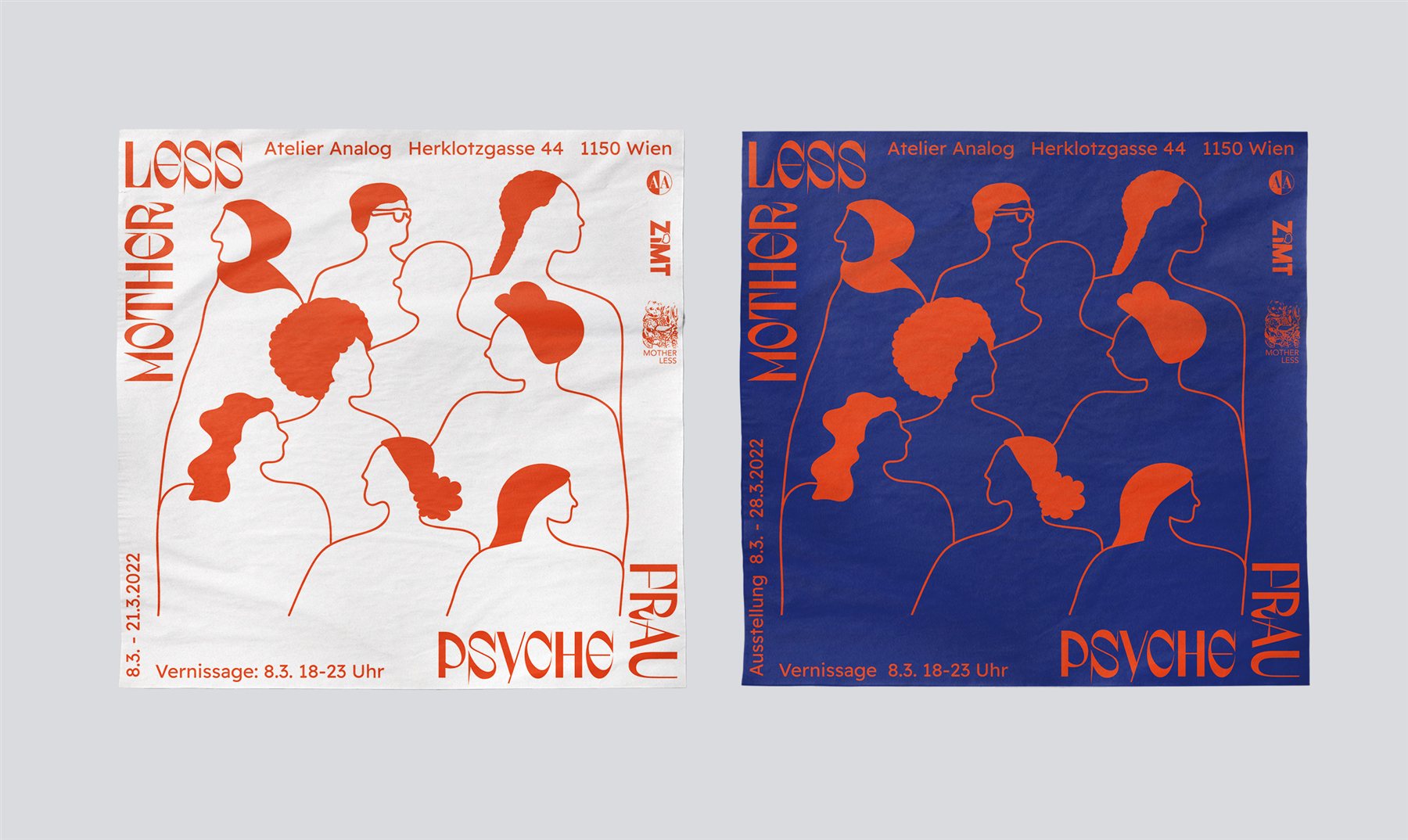
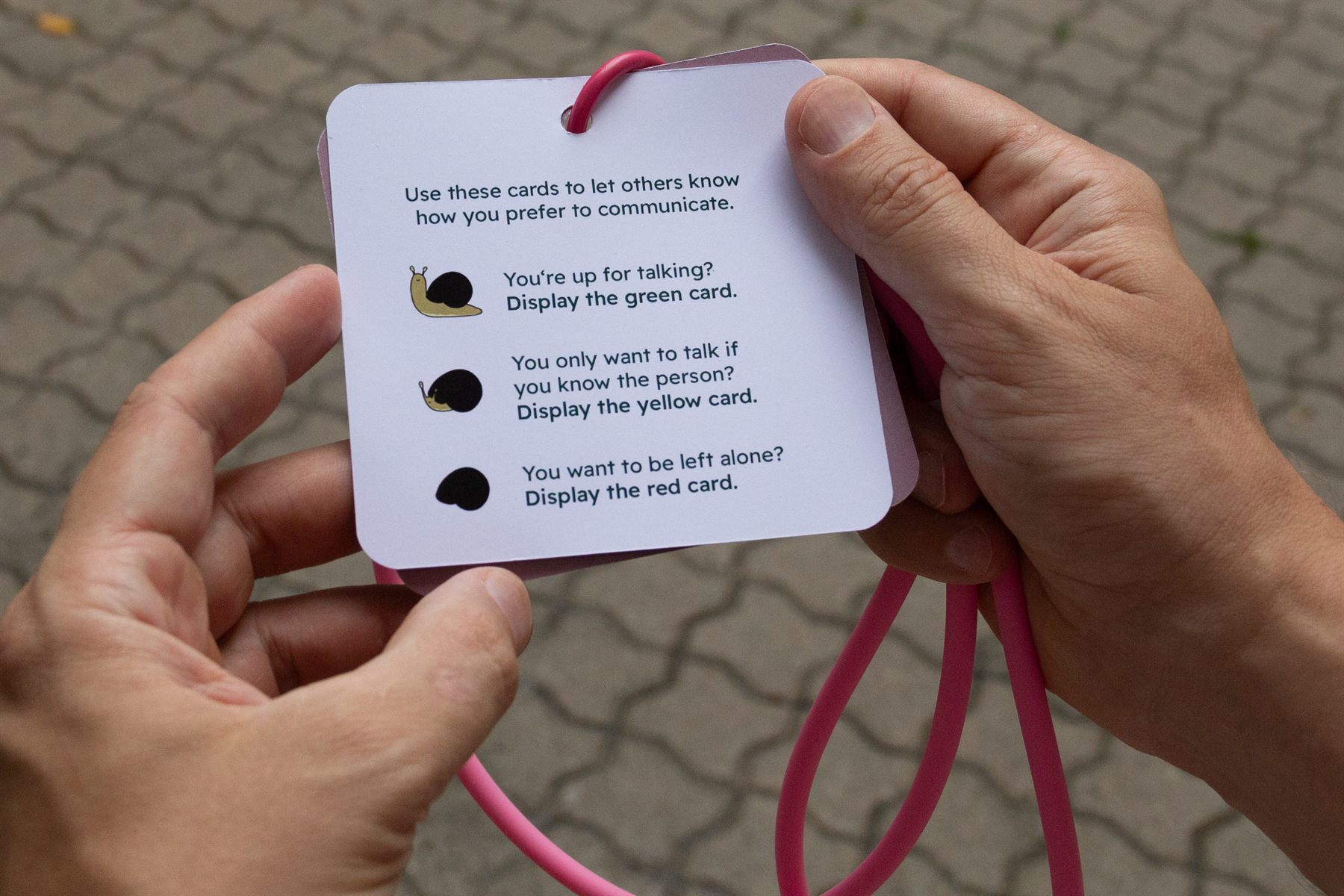
Communication badges offer greater accessibility to events, conferences and university to those who may struggle with non-verbal social cues. Since their first recorded use in 1995 during an Autism related conference, they have become widely adopted at Autistic-run events, or those with a high number of Autistic visitors.

For my design I used a silicone lanyard to ease possible sensory irritation oftentimes caused by fabric lanyards due to their rough edges or seams. The cards can be easily flipped without the need to unclip them.

Snail Cards

Designing communication cards for neurodivergent users
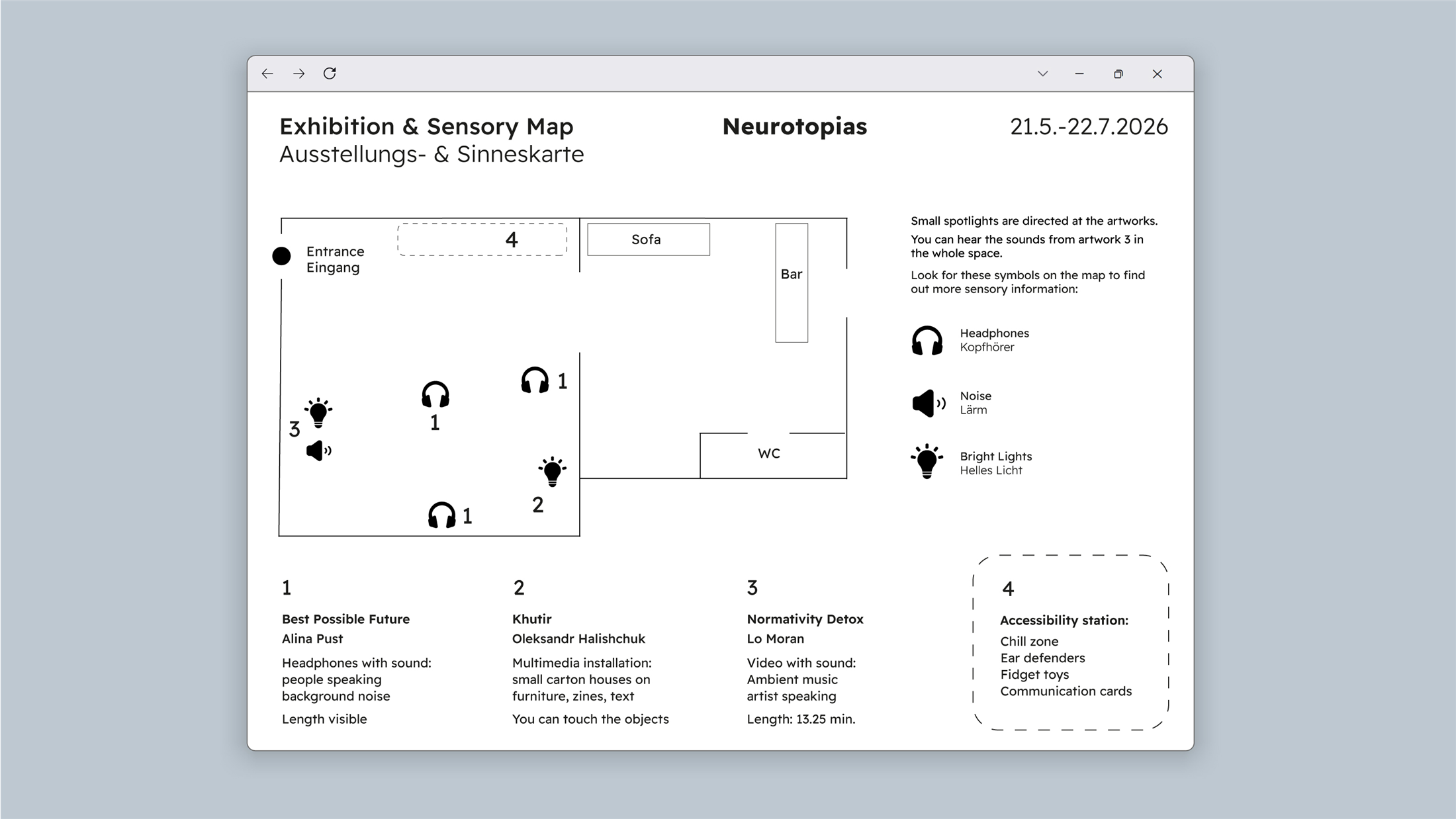
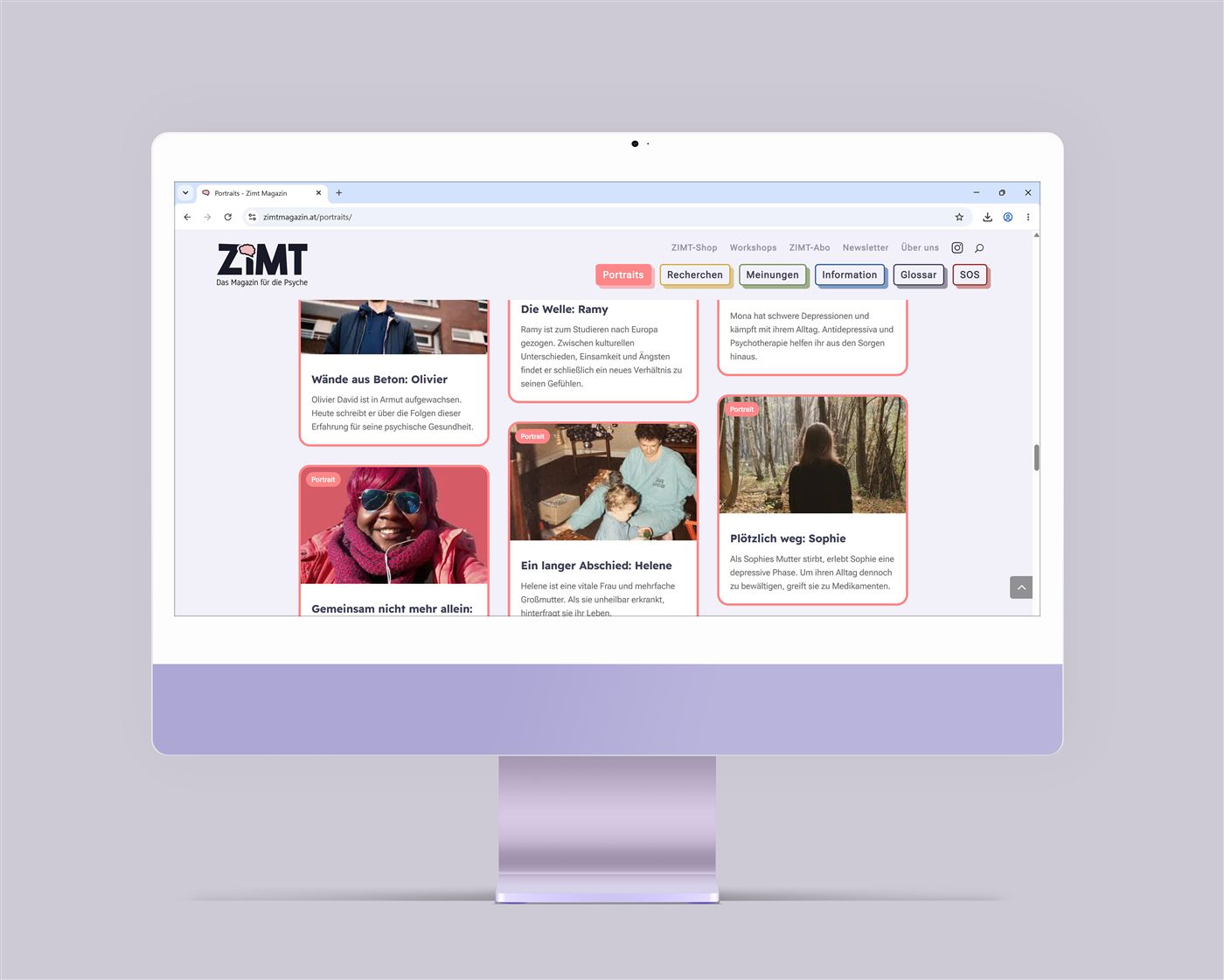
A sensory map tells someone what sensory experience they can anticipate when visiting a space. The map visualises what a space will sound, smell, and feel like. This can be particularly helpful for people who experience sensory overload. The map can aid mental and physical preparation upon entering the space. It should be available online and on-site.

Sensory maps are most prominent in the UK. Major cultural institutions have adopted them as part of their inclusion strategy. While orientating myself around existing maps, I went for a calmer, more minimalist style, keeping visual distractions to a minimum.

Sensory Maps

Sensory map design for a more accessible exhibition experience

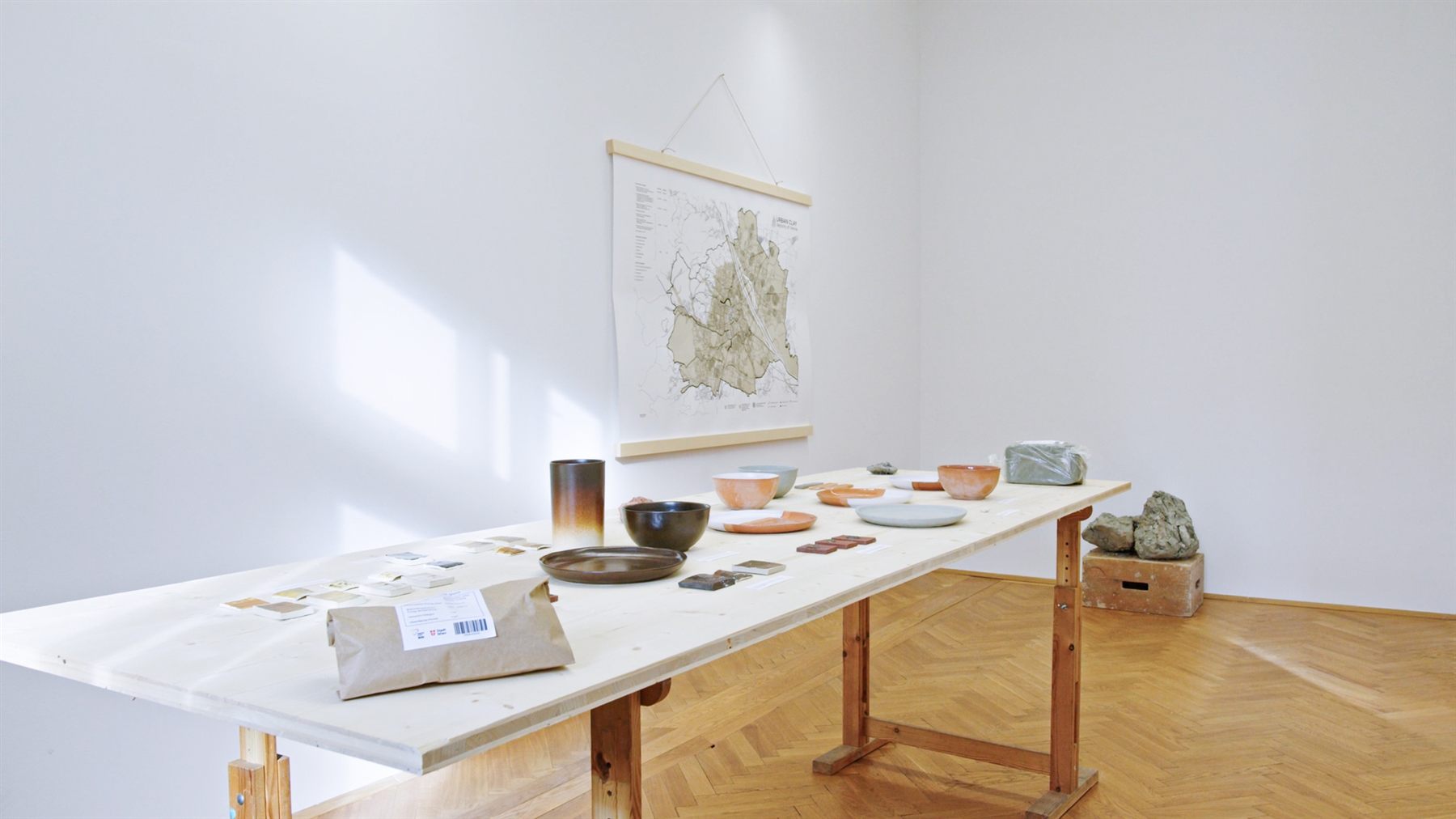
In this project we discuss the possibility of Vienna as a mine for geogenic resources. Our investigation into Vienna’s clay deposits revealed that vast amounts of clay are excavated during construction works, especially those related to the new subway routes. Most of which find their destiny on disposal sites.

The map, partially printed with clay as a pigment, illustrates extensive clay deposits under Vienna and overlays them with planned construction work, in order to track the urban mining which is bound to happen in the upcoming years.

We tested the properties and suitability of these urban clays, resulting in a series of ceramic objects and glaze recipes.

Vienna Urban Clay

Mapping Vienna's construction-site clay as a resource for local ceramics

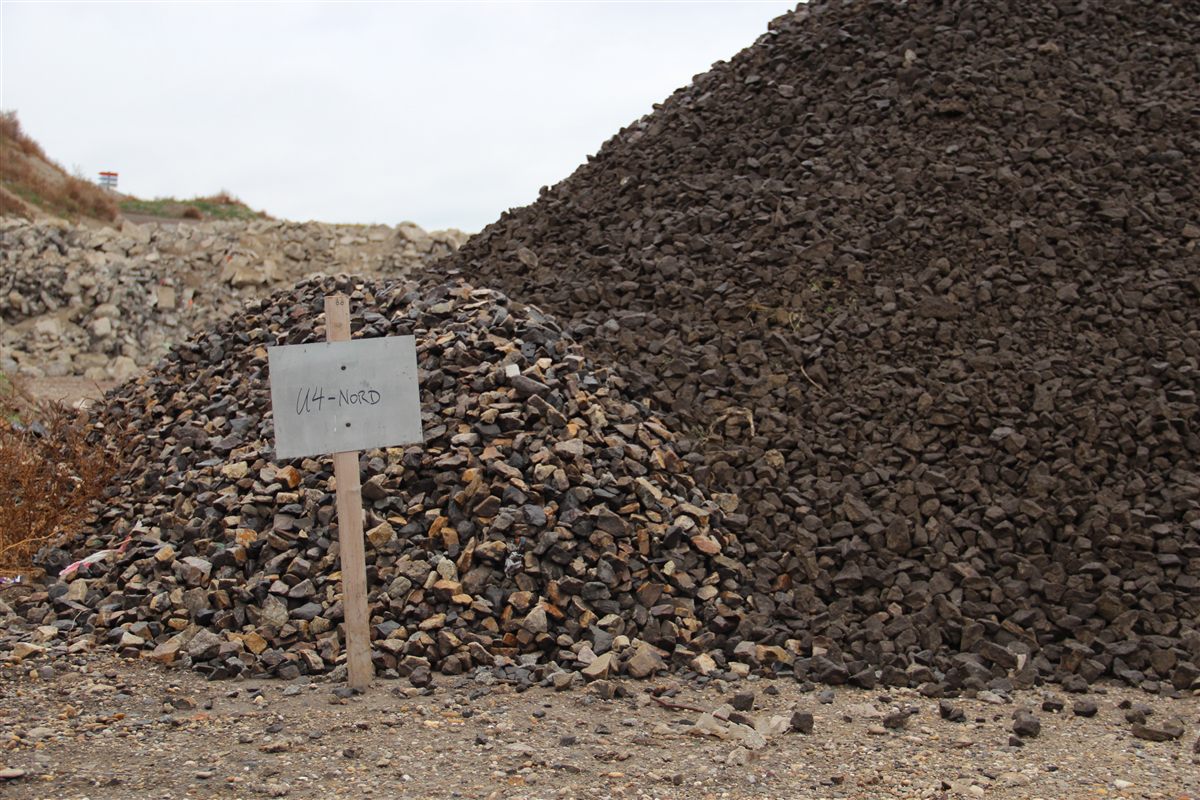
The city is in constant flux — buildings are torn down, new ones rise. But where does all the rubble go?

One of such places is the waste disposal site Langes Feld. Situated in the North of Vienna, near the border with Gerasdorf, lies the once squatted and heavily contaminated land. Over its more than 30 year history, the people behind Langes Feld have made it their mission to contain and revitalize the land.

One side of the land still functions as a disposal site for soil and rubble, with around 400 trucks driving in and out daily. The other side, a former drop-off point, is now covered in layers of soil, clay, grass, trees and other plants. It has become home to a variety of animals. On our walks we spotted deer, rabbits, pheasants, birds and bees.

The on-site experts shared with us the interesting history of the site and their view on the future. „Perhaps one day we will mine these hills for their precious metals.“

Disposable Futures

An educational walk over a disposal site for soil and construction waste